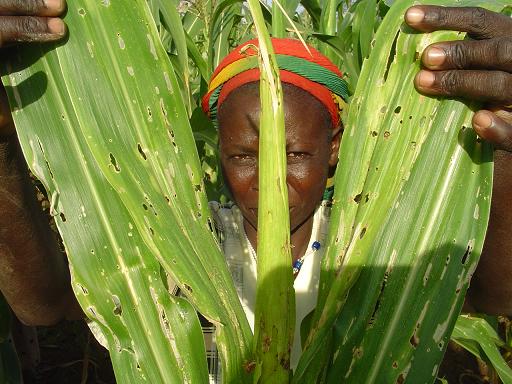
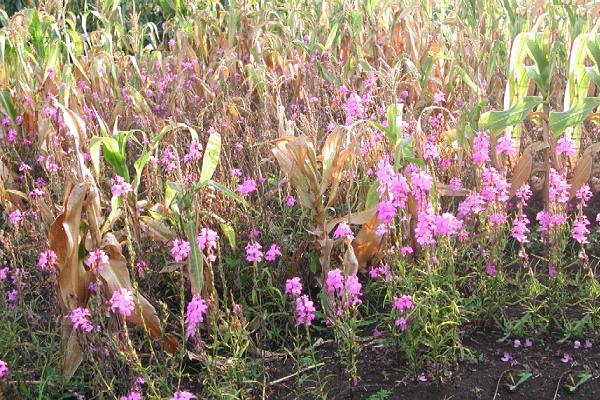
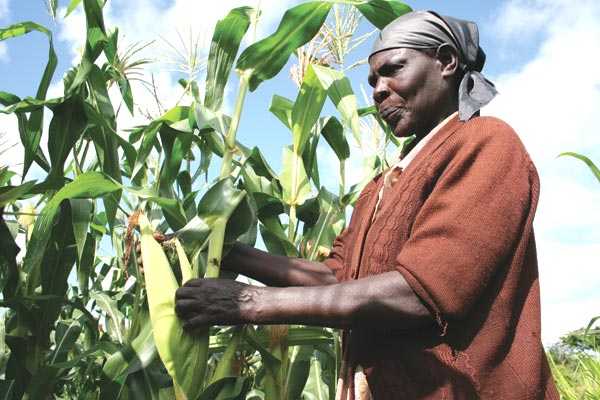
Crop failure as a result of harsh climatic conditions
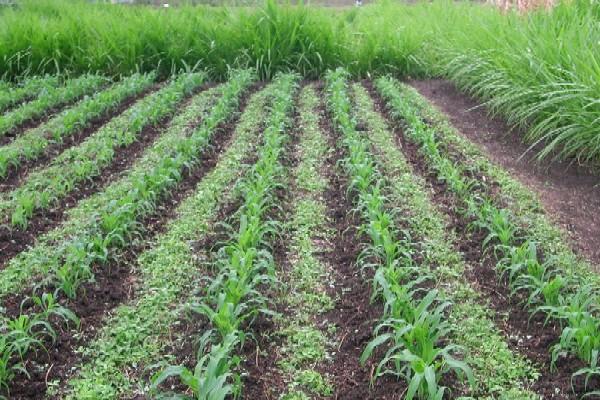
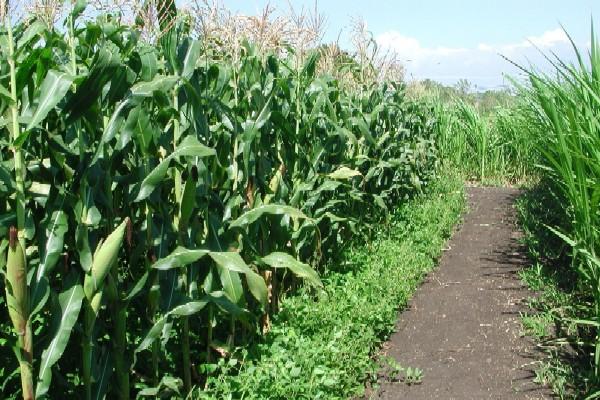
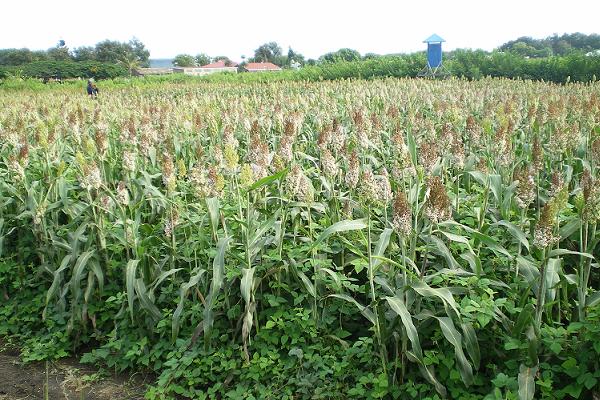
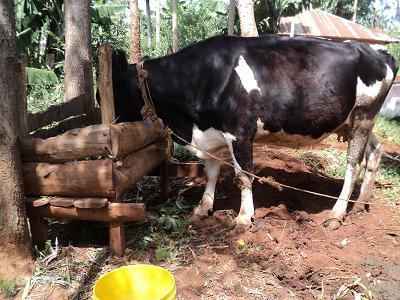
To adapt to these adverse conditions, the resource-poor smallholder farmers will need to move to more drought resistant cereal crops, such as sorghum and millet, and small ruminants for dairy production. Push-pull technology effectively works with these drought tolerant cereals resulting in significant grain yield increases. However, the trap and intercrop components are rainfall and temperature limited. Therefore, to ensure the technology continues to positively impact food security in the region over the longer term, there is an urgent need to adapt it to drier areas.
Towards this, the project urgently needs to evaluate new drought- and high temperature- tolerant trap and intercrop plants for incorporation in the push-pull technology to ensure its sustainability under the increasingly adverse conditions associated with climate change. It is important that these plants should have correct chemistry in terms of stemborer attractancy for the trap component and stemborer repellence and striga suppression, and ability to improve soil fertility and soil moisture retention, for the intercrop component. In addition, they should also provide other ecosystem services such as biodiversity conservation and organic matter improvement. The science required to identify these new components and understand the underpinning mechanisms will not only help in providing a basis for feedback in case of changes in semiochemical production by the companion plants, but will also provide the underpinning science required for the next generations of high-yield but low-input crops detailed in the recent Royal Society report entitled Reaping the benefits: Science and the sustainable intensification of global agriculture (www.royalsociety.org/Reapingthebenefits)